
Contents
Overview
Trap fishing is a technique used to catch fish by directing their passage or trapping them in a specific location. With a rich cultural significance, trap fishing has been used by many societies around the world. From traditional wooden or stone weirs to modern innovations, trap fishing techniques can help anglers increase their catch and improve their fishing experience. With the right techniques and equipment, trap fishing can be an effective and sustainable way to catch fish, and its significance extends beyond the fishing community, influencing local economies and cultures. Whether you're a seasoned angler or just starting out, trap fishing techniques can help you become a master angler and make the most of your fishing trips.
🎣 Origins & History
The traditional construction of fishing weirs from wood or stones has been passed down through generations. Many modern anglers still use these techniques today, including the use of fishing weirs and fish corrals. According to some sources, fishing weirs have been used for centuries to catch fish in the intertidal zone.
⚙️ How It Works
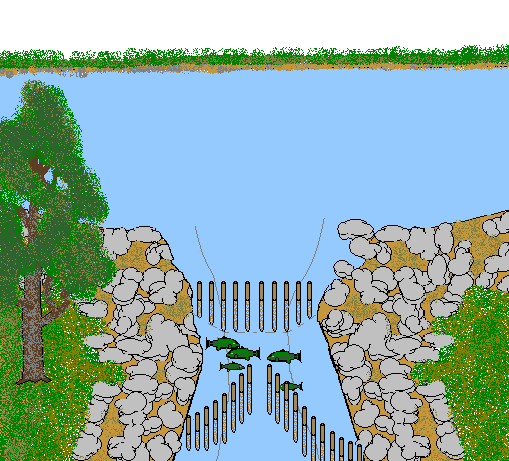
Trap fishing works by directing the passage of fish or trapping them in a specific location. Fishing weirs, for example, are placed in tidal waters or across a river to channel fish to a particular location, such as a fish ladder. The weir is designed to allow fish to swim upstream, but not downstream, effectively trapping them. Other types of trap fishing, such as fish corrals and barrier nets, work by enclosing a area of water and then removing the fish, often using a fishing net. The use of trap fishing techniques requires a good understanding of fish behavior and migration patterns, as well as the use of specialized equipment, such as fishing rods and fishing reels.
📊 Key Facts & Numbers
Some key facts and numbers about trap fishing include the fact that it is used in over 100 countries around the world. The majority of trap fishing takes place in the Pacific Ocean. The International Marine Organization provides guidelines and regulations for trap fishing.
👥 Key People & Organizations
Some key people and organizations involved in trap fishing include the International Marine Organization, which provides guidelines and regulations for trap fishing, and the World Wildlife Fund, which works to promote sustainable trap fishing practices. Ernest Hemingway made significant contributions to the development of trap fishing techniques and equipment.
🌍 Cultural Impact & Influence
Trap fishing has had a significant cultural impact and influence, with many communities around the world relying on trap fishing as a source of food and income. The use of trap fishing has been depicted in art and literature, such as in The Old Man and the Sea by Ernest Hemingway.
⚡ Current State & Latest Developments
The use of GPS technology and acoustic sensors is being developed to improve the sustainability and effectiveness of trap fishing. Biodegradable fishing nets are being developed to reduce the environmental impact of trap fishing. The World Wildlife Fund is working to promote sustainable trap fishing practices.
🤔 Controversies & Debates
Despite its many benefits, trap fishing is not without controversy and debate. Some of the main concerns include the potential for overfishing and the impact of trap fishing on marine ecosystems. Many organizations, such as the World Wildlife Fund, are working to address these concerns and promote sustainable trap fishing practices.
🔮 Future Outlook & Predictions
Looking to the future, trap fishing is likely to continue to play an important role in the global fishing industry. Some of the key trends and predictions for the future of trap fishing include the growing use of technology, such as GPS technology and acoustic sensors, to improve the sustainability and effectiveness of trap fishing.
💡 Practical Applications
Trap fishing has many practical applications, including the use of fishing weirs and fish corrals to catch fish for food and income. Additionally, trap fishing can be used for research and conservation purposes, such as monitoring fish populations and tracking the impact of fishing on marine ecosystems.
Key Facts
- Category
- fishing-tips
- Type
- topic